In
The Challenge: Milling a Tough Thermoplastic Without Heat Degradation
A client approached AVEKA while struggling to achieve repeatable print quality using an
To mill the polymer effectively, we needed a process that could deliver high impact energy while keeping the material cool and friable.
The Solution: A Two-Step Jet Milling and Air Classification Process
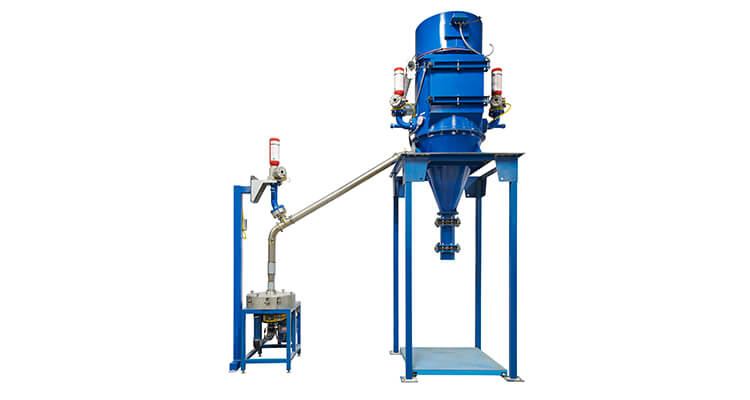
AVEKA developed a two-stage particle engineering workflow to hit the client’s exact PSD target: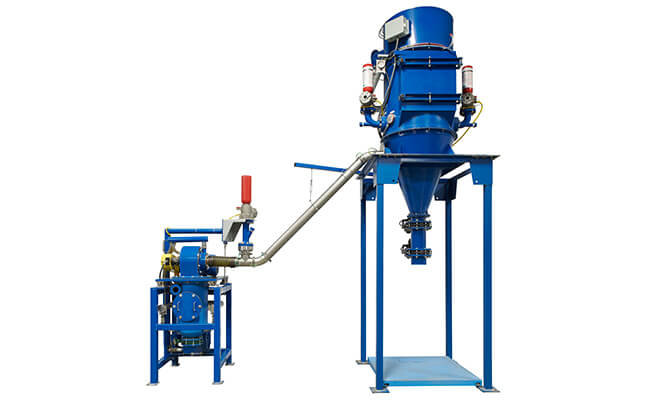
-
Ambient-Temperature
Jet Milling -
Secondary Centrifugal
Air Classification
The Result: From Pilot Validation to Full-Scale Production
Using small pilot batches, AVEKA validated the two-step process and verified via particle size analysis that the ultra-fine fraction was completely removed. With tight PSD control confirmed, we rapidly scaled the process to commercial production—enabling the client to manufacture consistent, high-integrity 3D-printed components, a partnership that continues today.
Engineer Your Feedstock with AVEKA
With over 30 years of particle processing expertise, AVEKA helps manufacturers turn challenging raw materials into high-performing powders. Whether you need jet milling, air classification, or custom feasibility testing,